HORNBILL FESTIVAL With HikerWolf in Nagaland Division
Nov
27

7 Days 6 Nights
@HikerWolf
in Nagaland Division
HORNBILL FESTIVAL With HikerWolf
Day-by-day plan, stays and inclusions
Itinerary
Welcome to Nagaland: The Journey Before the Festival
Our vehicle departs from Dimapur Railway Station at 1:00 PM, before picking up arriving travellers from Dimapur Airport.
You stop for lunch along the way, pass roadside stalls of stacked pineapples, and of course, pause for a photo at the “Welcome to the Hills of Nagaland” gate before continuing into the hills.
The drive to Kohima is a gradual introduction to Nagaland. As you climb higher, the air gets noticeably cooler, and the landscape begins to open up. Just before the city, you get your first glimpse of Kohima from the approach road — a panorama of hills and homes tucked into them, and the sense that you are finally arriving.
Once you reach Kohima, check into your accommodation and settle in. The evening is free. You can step out for a slow walk, sit at a café, explore a few local shops, or visit local markets. It’s a simple way to ease into the rhythm of the hills after the drive.
Tomorrow, the itinerary begins in full.
Things to Keep in Mind:
- Arrive in Dimapur before 1:00 PM.
- Keep a warm layer handy — temperatures drop quickly after sunset.
- Mobile payments are widely accepted, but carrying a little cash is always useful.
- Return to your accommodation on time for dinner.
- Get a good night’s rest — you’ll be walking a lot over the coming week.
Not provided
Not provided
Walking Through History: Exploring Khonoma Village
After breakfast, drive to Khonoma, India’s first Green Village, with a brief stop at Khonoma Kharu, the village’s traditional entrance.
Meet your local guide and explore Khonoma’s stone pathways, historic landmarks, and traditional neighbourhoods while learning about its history, headhunting traditions, colonial resistance, and remarkable conservation journey. Along the way, spot the old village gates, community library, self-payment shops, and the beautiful St. John the Evangelist Church. Netflix fans may even recognise locations from The Family Man 2.
Enjoy a leisurely snack or lunch at a village café before returning to Kohima.
The evening is free to revisit downtown Kohima, enjoy a café, or do some last-minute shopping for the adventure in the days to come.
Things to Keep in Mind:
- Expect several hours of walking.
- Please ask before photographing people or entering private spaces.
- Keep some cash handy for cafés and local purchases.
- Carry comfortable walking shoes and a light jacket.
- Wear sunscreen, sunglasses and a hat.
Not provided
Not provided
Beyond the Crowds: Journey to Kigwema Village
After breakfast, leave the city behind and make your way to the beautiful village of Kigwema.
Once you’ve settled into your homestay and enjoyed lunch, join your guide for a walk through the village. Along the way, learn about local life, traditional architecture, agriculture, community traditions, and the stories that continue to shape this historic Angami village. You’ll also gain insight into Kigwema’s important role during the Battle of Kohima, one of the most significant campaigns of World War II fought on Indian soil.
Keep an eye out for traditional homes, village viewpoints, and the everyday moments that often reveal more about a place than its monuments ever could.
The evening is intentionally relaxed. Grab a coffee at a local café, wander through the village, or simply slow down and enjoy the quieter side of Nagaland.
Things to Keep in Mind:
- Today is designed to be slower after two busy festival days.
- Carry a light jacket for the evening.
- Good walking shoes remain essential.
Not provided
Not provided
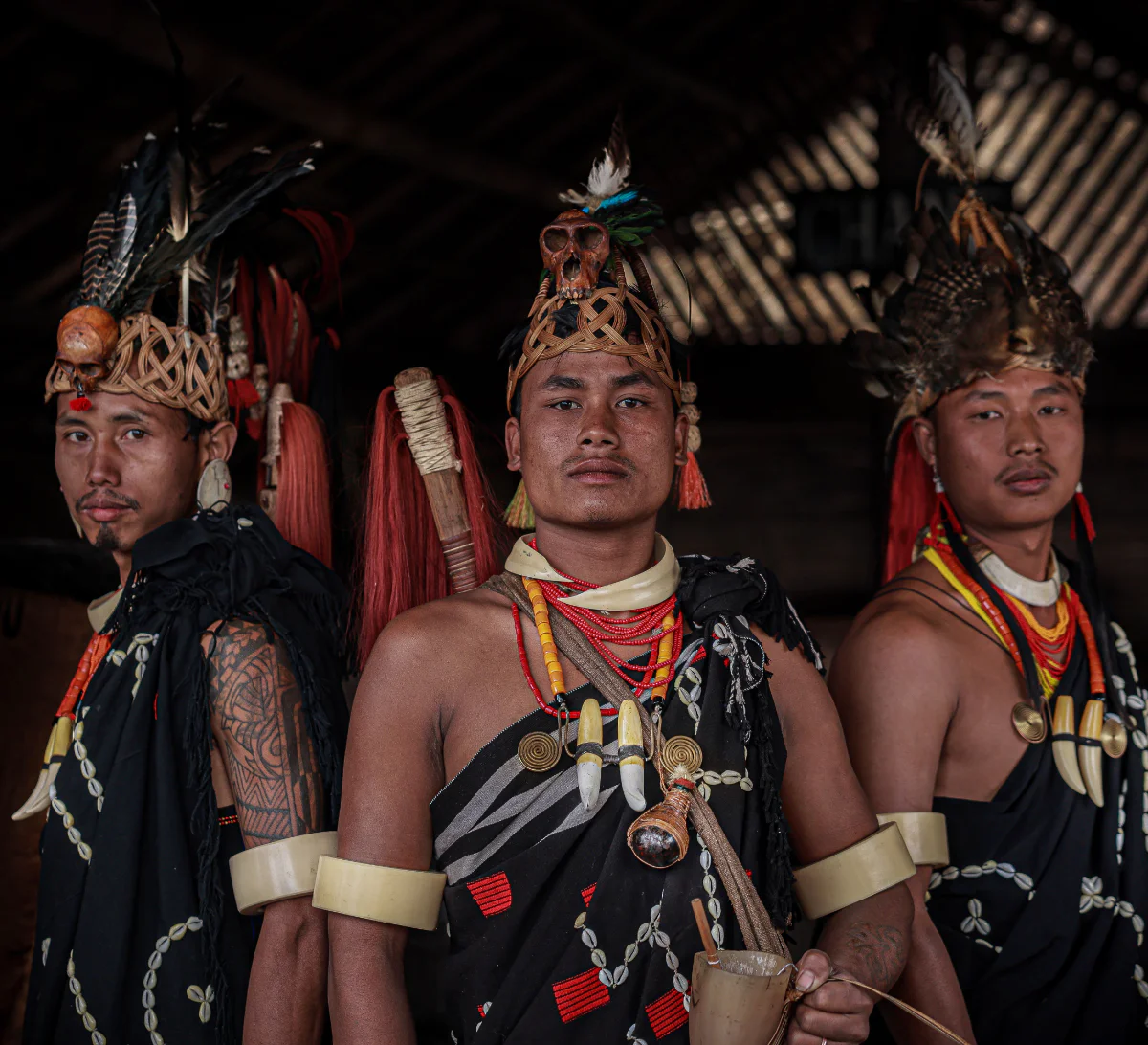
Into the Wild: Trekking the Dzükou Valley
We start early, so fuel up with a good breakfast, preferably something rich in protein, as you’ll need the energy later in the day.
Hereafter, drive to Viswema, the starting point for the trek. A short off-road ride takes us to the trailhead before we begin the climb into the spectacular Dzükou Valley, often regarded as one of the most beautiful high-altitude valleys in Northeast India.
The initial ascent is undoubtedly the most demanding part of the day. Still, once you’re over it, the trail opens into rolling grasslands, mountain ridges, seasonal streams, and the sweeping landscapes that have made Dzükou famous. There is no rush here. Walk at your own pace, stop often, take photographs, enjoy the views, and appreciate just how remote this place feels.
Spend time exploring the valley, enjoying lunch, and soaking in the scenery before beginning the return journey to Kigwema later in the afternoon.
A hot dinner and a comfortable bed await.
Things to Keep in Mind:
- The trek requires a moderate level of fitness.
- Carry a power bank, water bottle, a light rain jacket, and UV protection.
- Mobile network coverage is limited or unavailable for most of the day.
- Travellers may choose to skip the trek and spend the day in Kigwema.
Not provided
Not provided
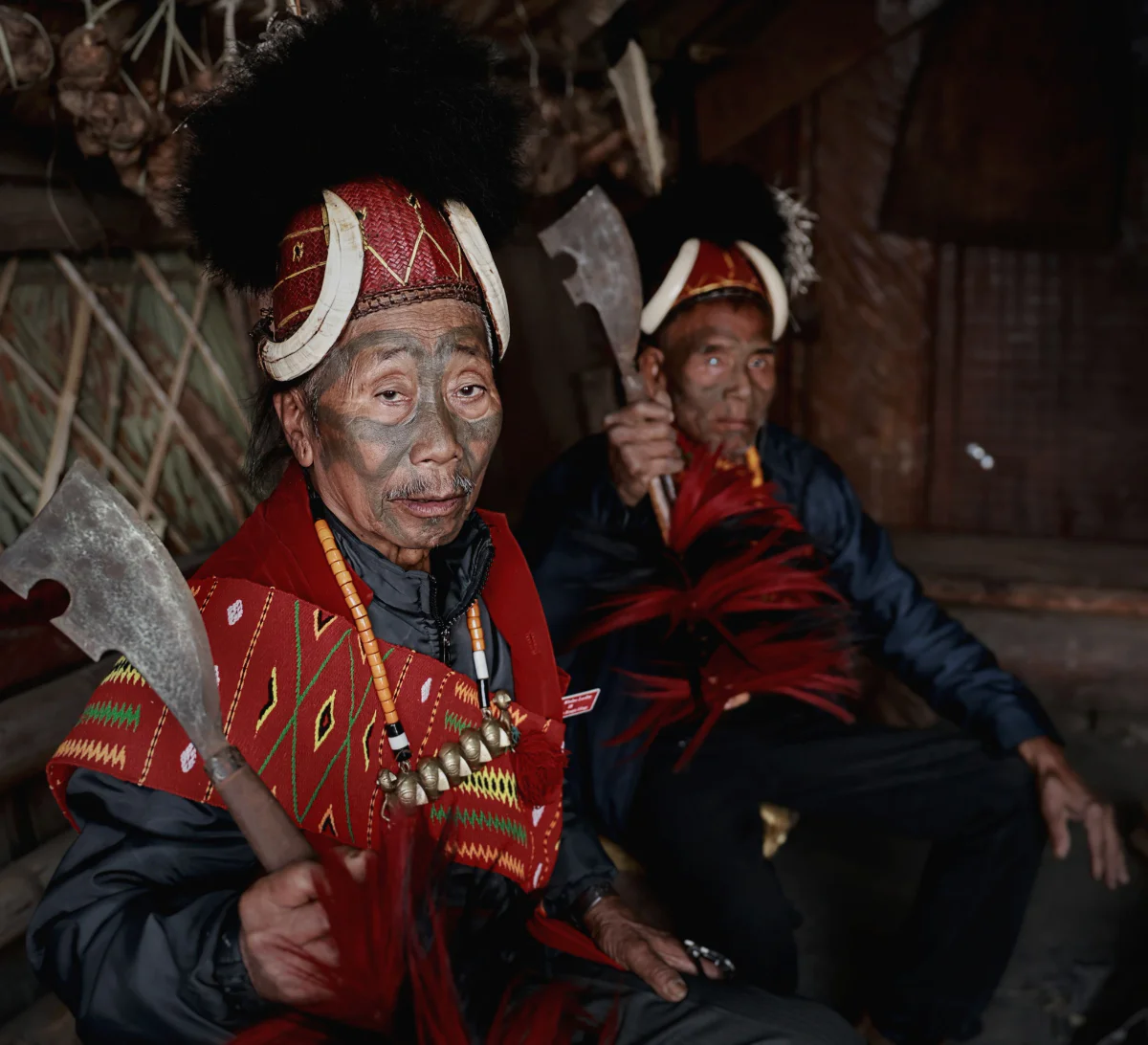
The Festival Begins at Kisama
Start early after breakfast at your homestay in Kigwema and check out for Kisama, the Naga Heritage Village. If needed, you can split your luggage and leave one bag at Kigwema — it will be tagged, managed, and returned on your way back to Dimapur.
On arrival, check into your campsite, drop your bags, and head straight into the festival grounds. Before we let you loose, our guide will introduce you to the festival grounds, programme highlights, and a few useful tips to help you make the most of your visit.
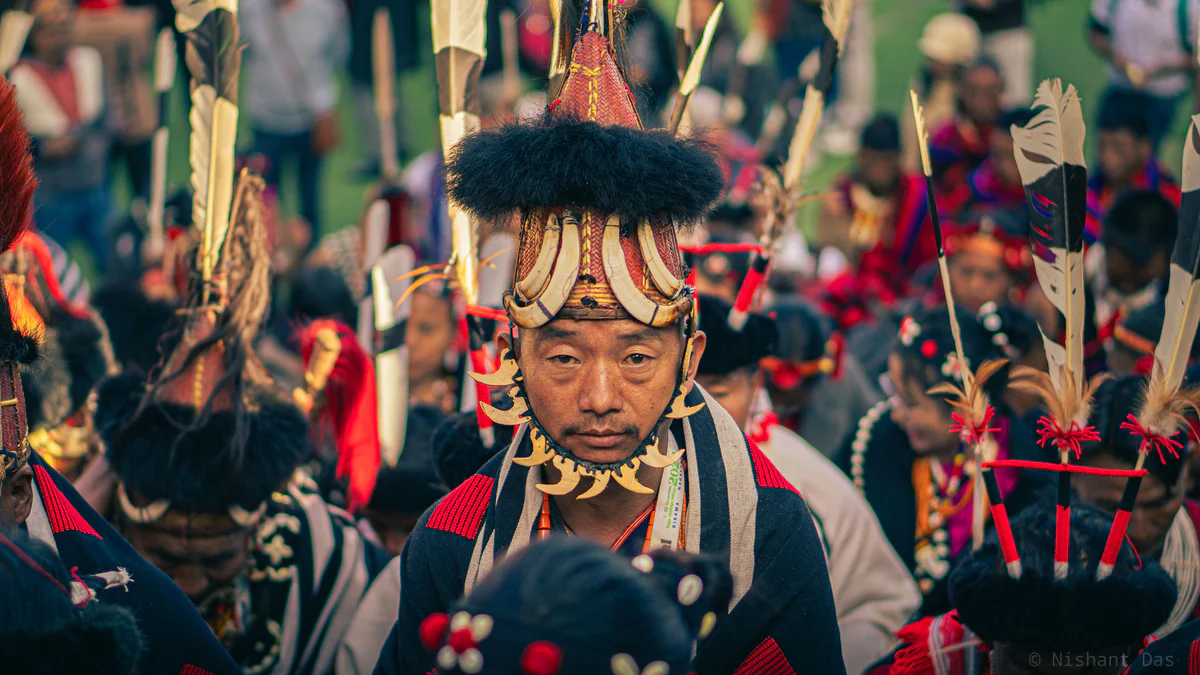
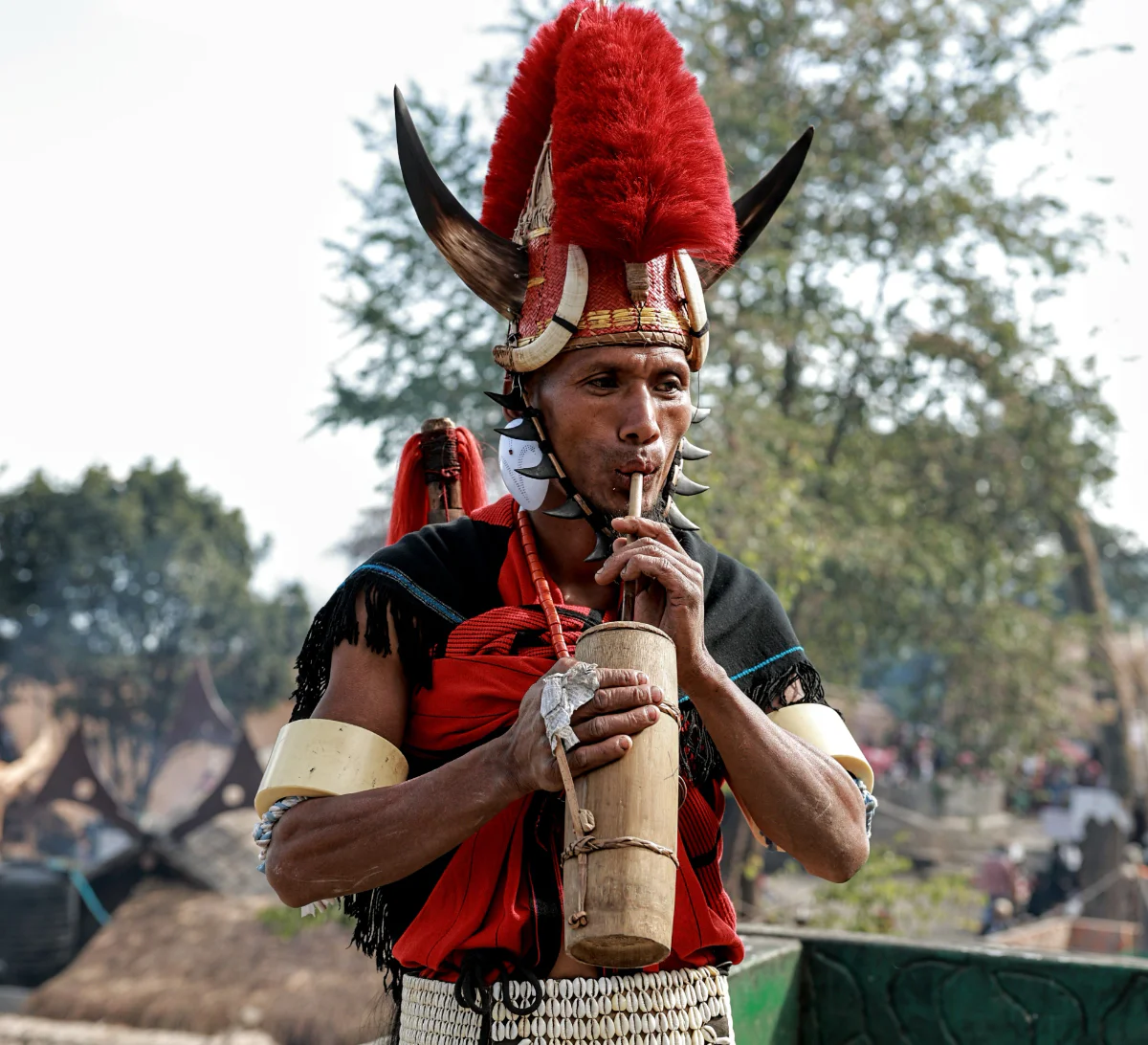
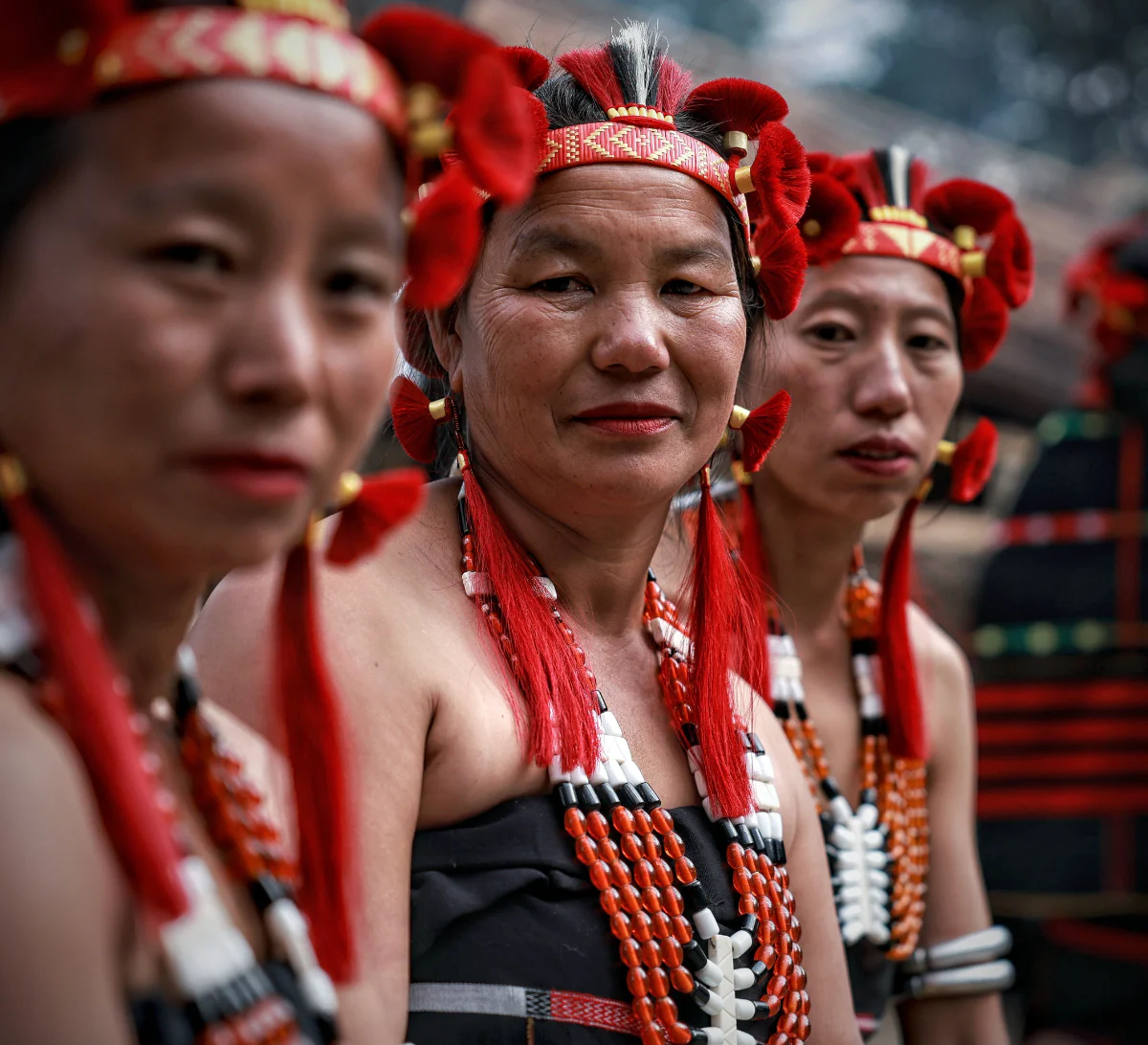
Today includes the iconic Hornbill opening ceremony — a vibrant start with performances and the coming together of all tribes on one stage. Spend the rest of the day exploring morungs, cultural displays, performances, and food stalls at an easy pace.
By evening, return to camp. The common area comes alive with an informal jam session, conversations, and music as the first day winds down.
Things to Keep in Mind:
- Carry only what you’ll need for the next two days at the campsite.
- Expect some walking between the campsite and festival grounds.
- Nights can get cold. Keep a jacket handy.
- The campsite is approximately 800 metres from the vehicle drop-off point and involves a gradual uphill walk.
- Carry cash — digital payments may be slow.
Not provided
Not provided
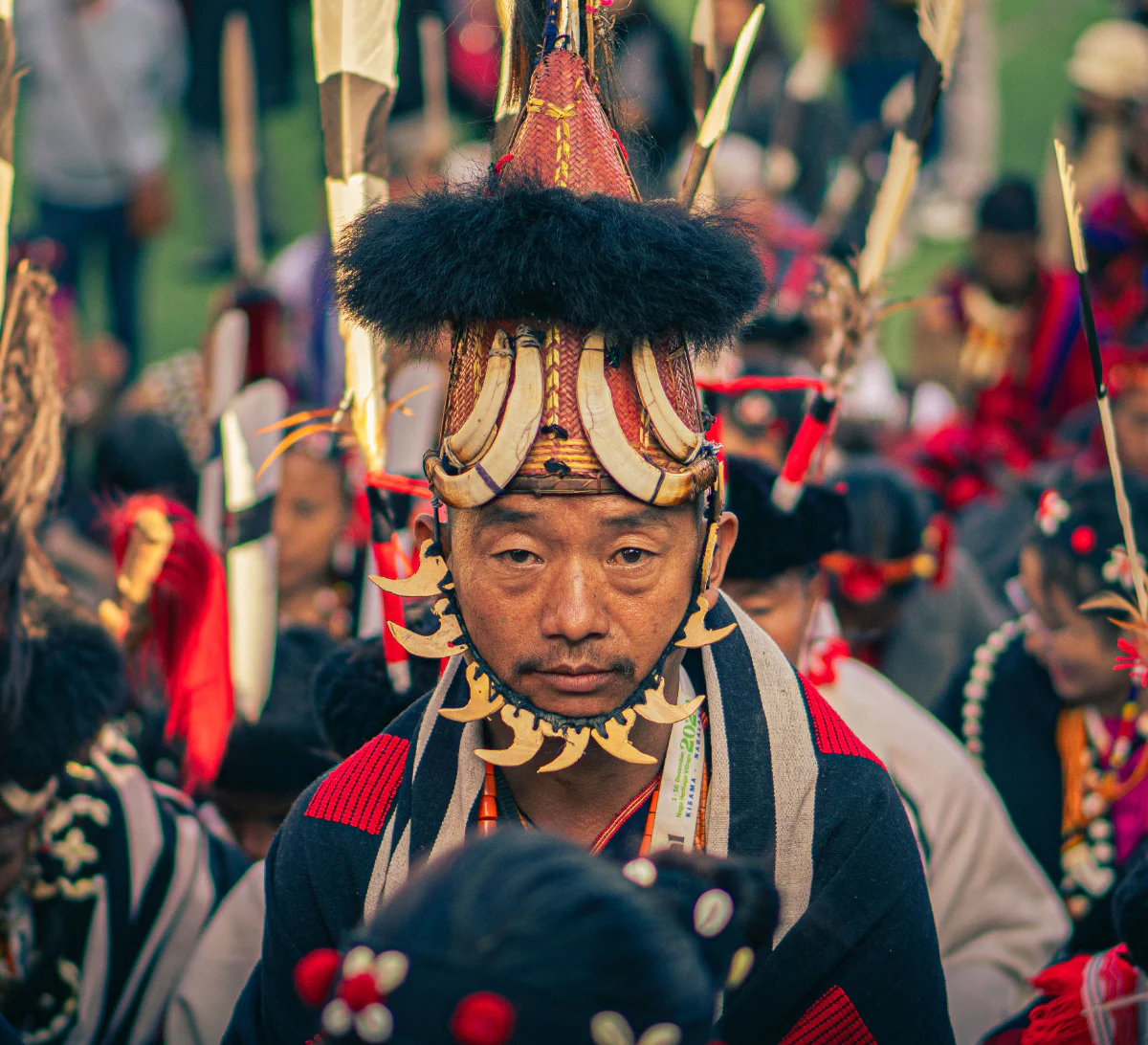
The Festival at Full Rhytm
With the opening rush settled, Kisama opens up in a slower rhythm, giving you space to explore before the next wave of crowd builds.
Spend the day moving through the morungs, each offering a glimpse into different tribal stories, crafts, and traditions. Catch cultural performances across the grounds, try local food, and revisit corners you may have missed. It’s also a good day for unhurried conversations with artisans, performers, and fellow travellers.
By evening, return to the campsite, not too late, giving time to unwind and catch up with friends before departure to Dimapur tomorrow.
Things to Keep in Mind:
- Carry some cash.
- Spend time inside morungs and talk to locals.
- Wear comfortable walking shoes — expect long hours on foot.
- Carry a water bottle, power bank, and a light daypack.
- Dress in light layers — weather can shift through the day.
- If you’re sensitive to smoke or dust, carry a face mask.
Not provided
Not provided
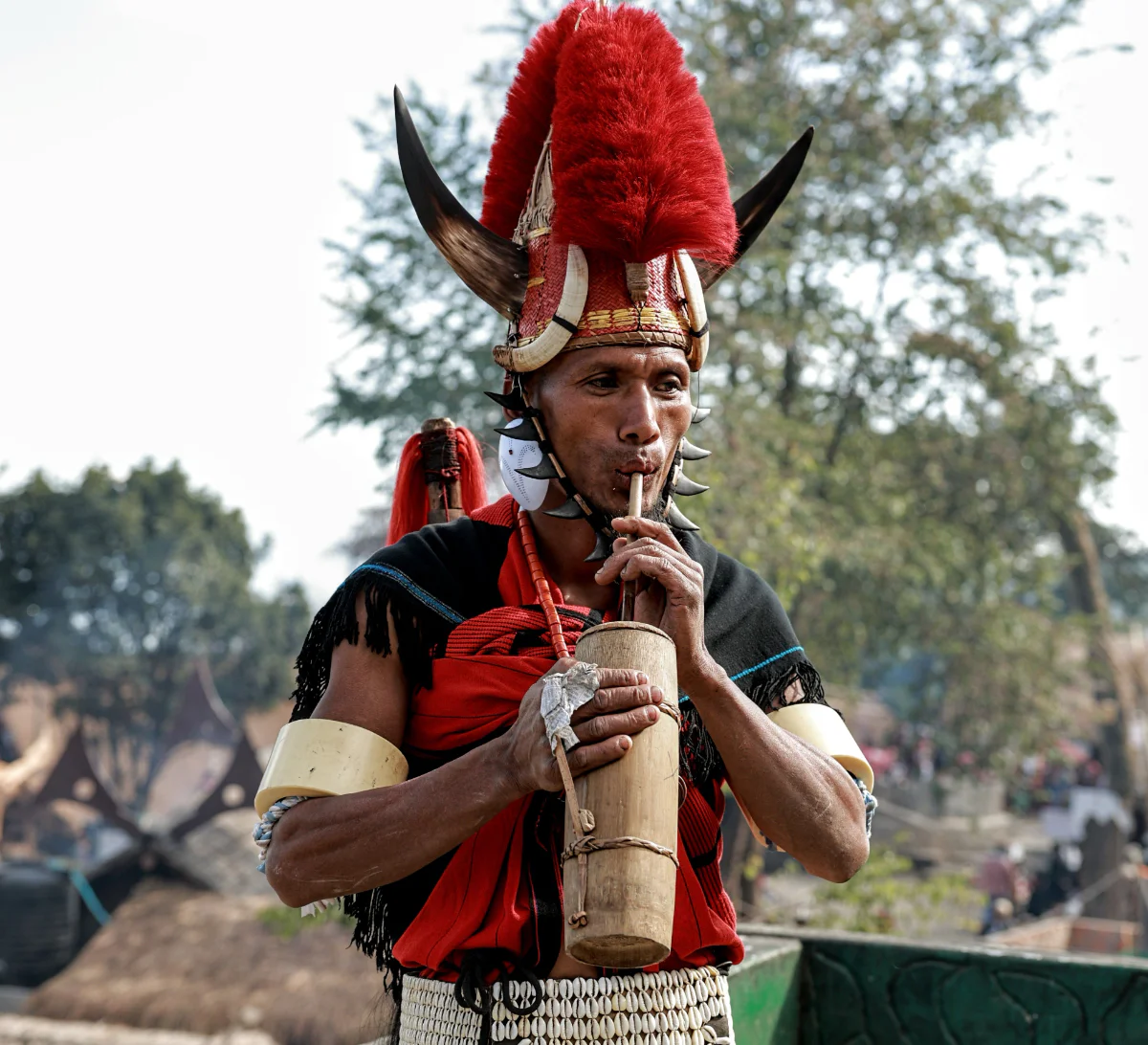
Departure: One Last Drive Through the Naga Hills
After breakfast, bid farewell to the hills and begin the journey back to Dimapur.
You will find the luggage that was left with us in your vehicle.
The vehicle departs from Kisama at 08:00 AM, making its way towards Dimapur Airport and Railway Station. Along the way, there may be time for a final cup of tea, one last photograph, and perhaps a quiet moment to reflect on the week gone by.
For some, this marks the end of the journey. For others, it may just be the beginning. If you’d like to extend your travels in Nagaland, elsewhere in the Northeast, Bhutan, or Nepal, we’d be happy to help with recommendations, logistics, and onward arrangements.
Until the next adventure.
Things to Keep in Mind:
- Please plan onward flights and trains accordingly.
- Keep important documents, valuables, and medications with you.
- Allow extra time at the airport or railway station, especially during the holiday season.
- Don’t forget your Naga souvenir.
Not provided
Not provided
Activities
Dzükou Valley – Trek through one of Northeast India's most spectacular high-altitude landscapes, known for its rolling grasslands, seasonal wildflowers, and panoramic mountain views.
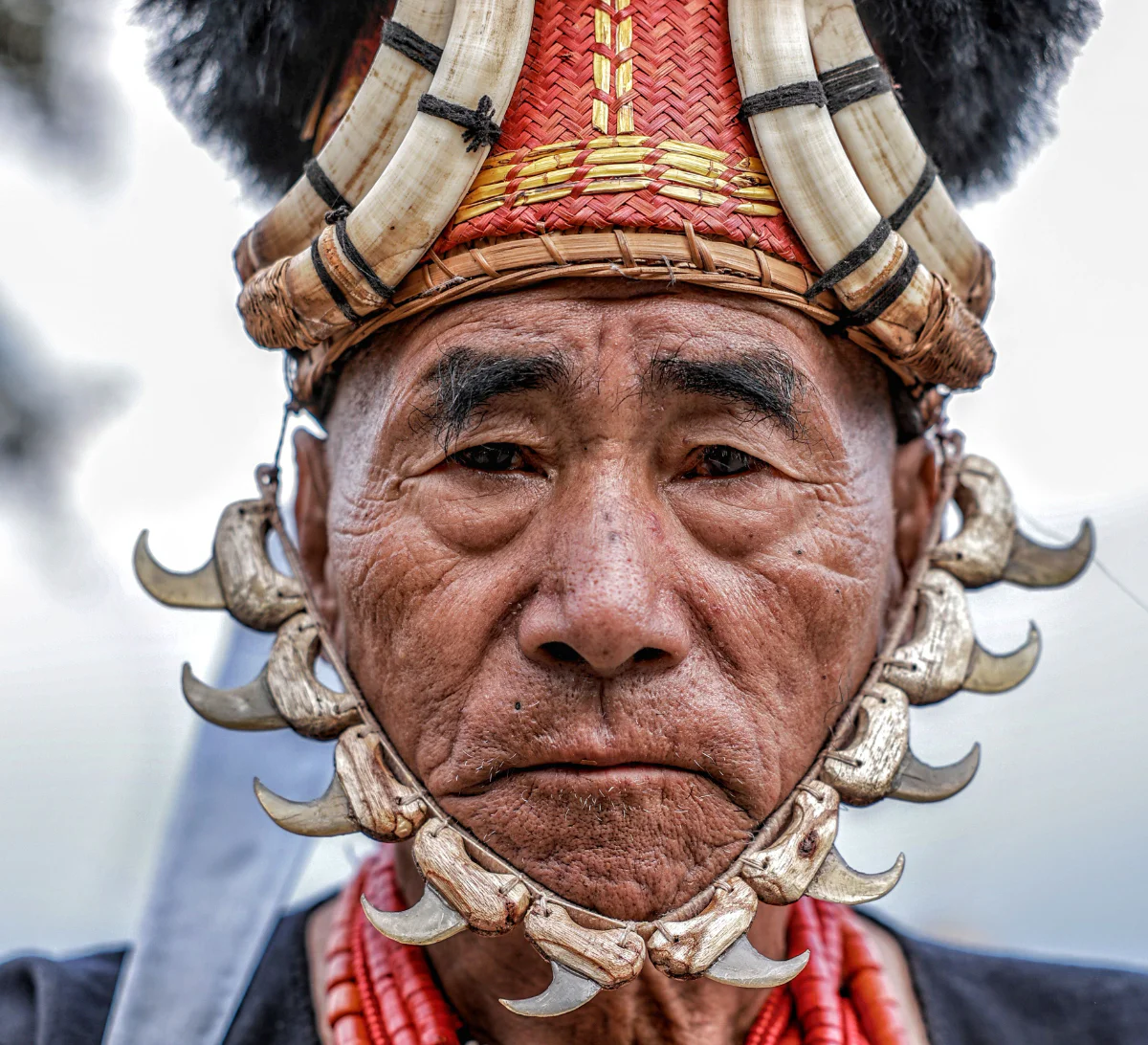
Hornbill Festival – Spend two days at the Naga Heritage Village, experiencing the colours, traditions, performances, cuisine, crafts, and celebrations that make the Hornbill Festival one of India's most celebrated cultural events.
Khonoma Village – Explore India's first recognised green village and learn about its remarkable transition from a warrior settlement to a model of community-led conservation.
Kigwema Village – Experience the warmth of Naga hospitality while gaining an insight into local traditions, architecture, and everyday village life.
Kohima – Discover the capital of Nagaland through its markets, cafés, local cuisine, and the stories that continue to shape the city.
Local Cuisine – Sample regional flavours and home-cooked meals that reflect the diversity and culinary traditions of Nagaland.
World War II Heritage – Visit important sites connected to the Battle of Kohima, one of the most significant campaigns fought on Indian soil during the Second World War.
Meet the Creator
About the creator